
The Mural Gallery
The Mills 南豐紗廠, Pak Tin PAr LAne
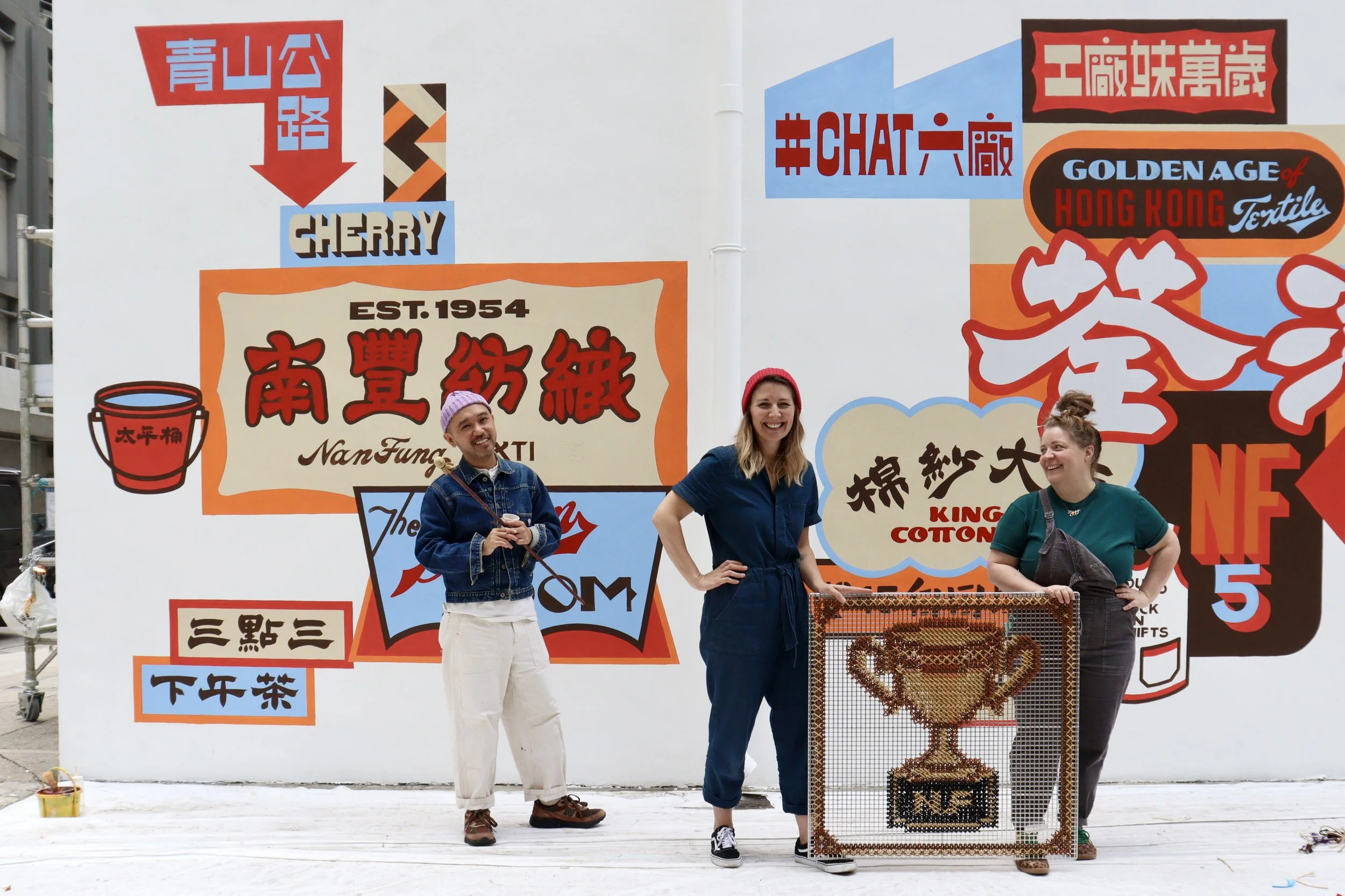
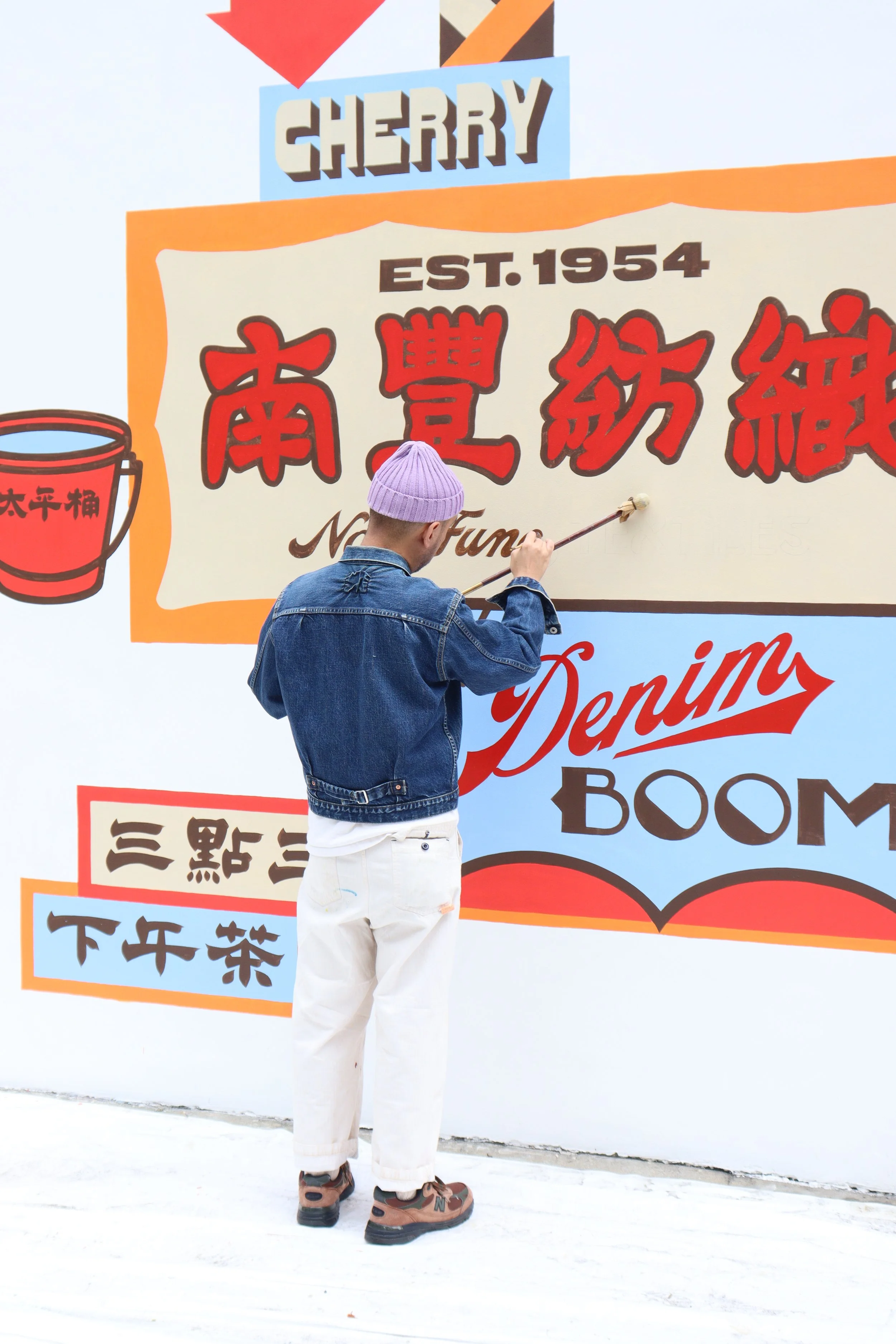
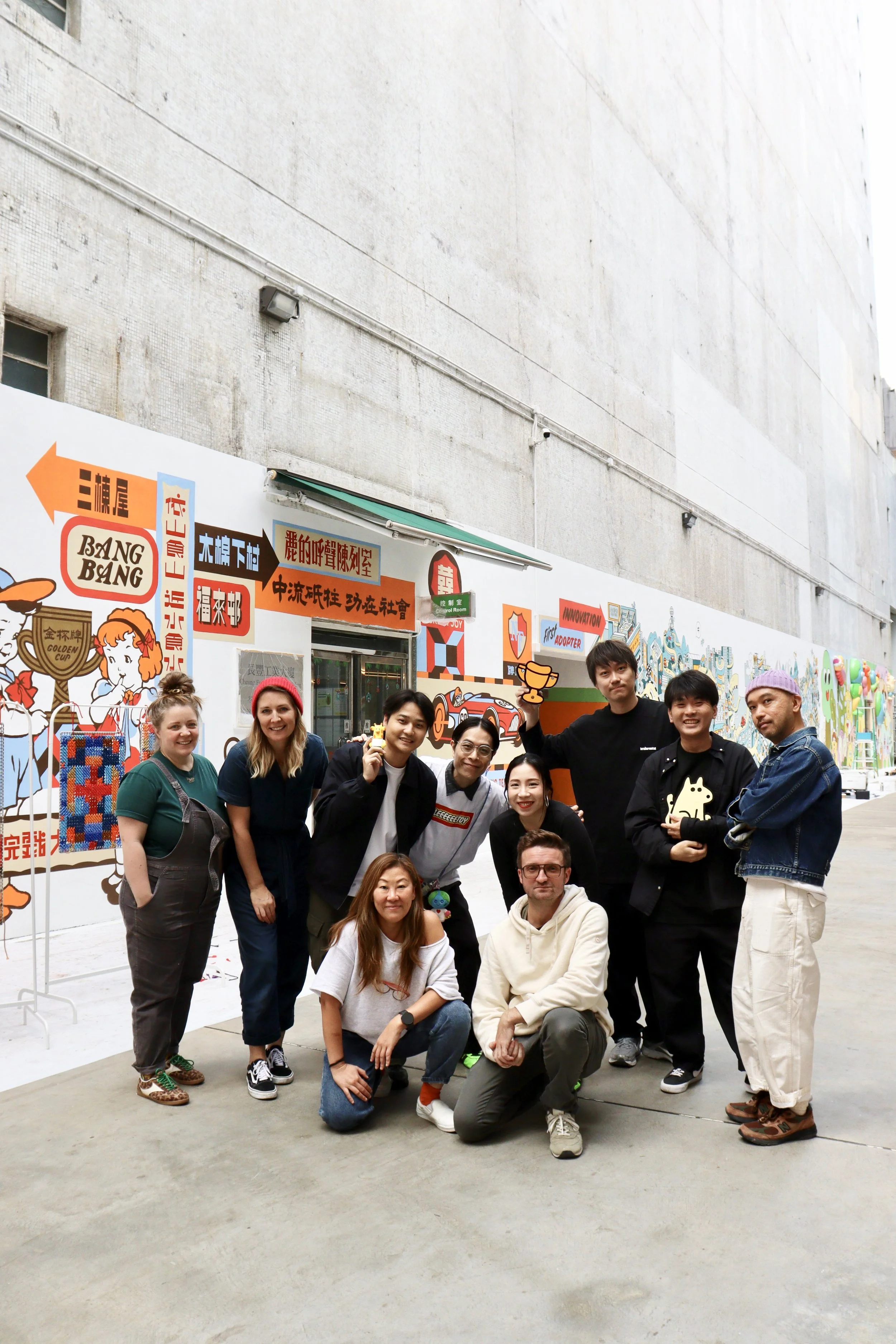
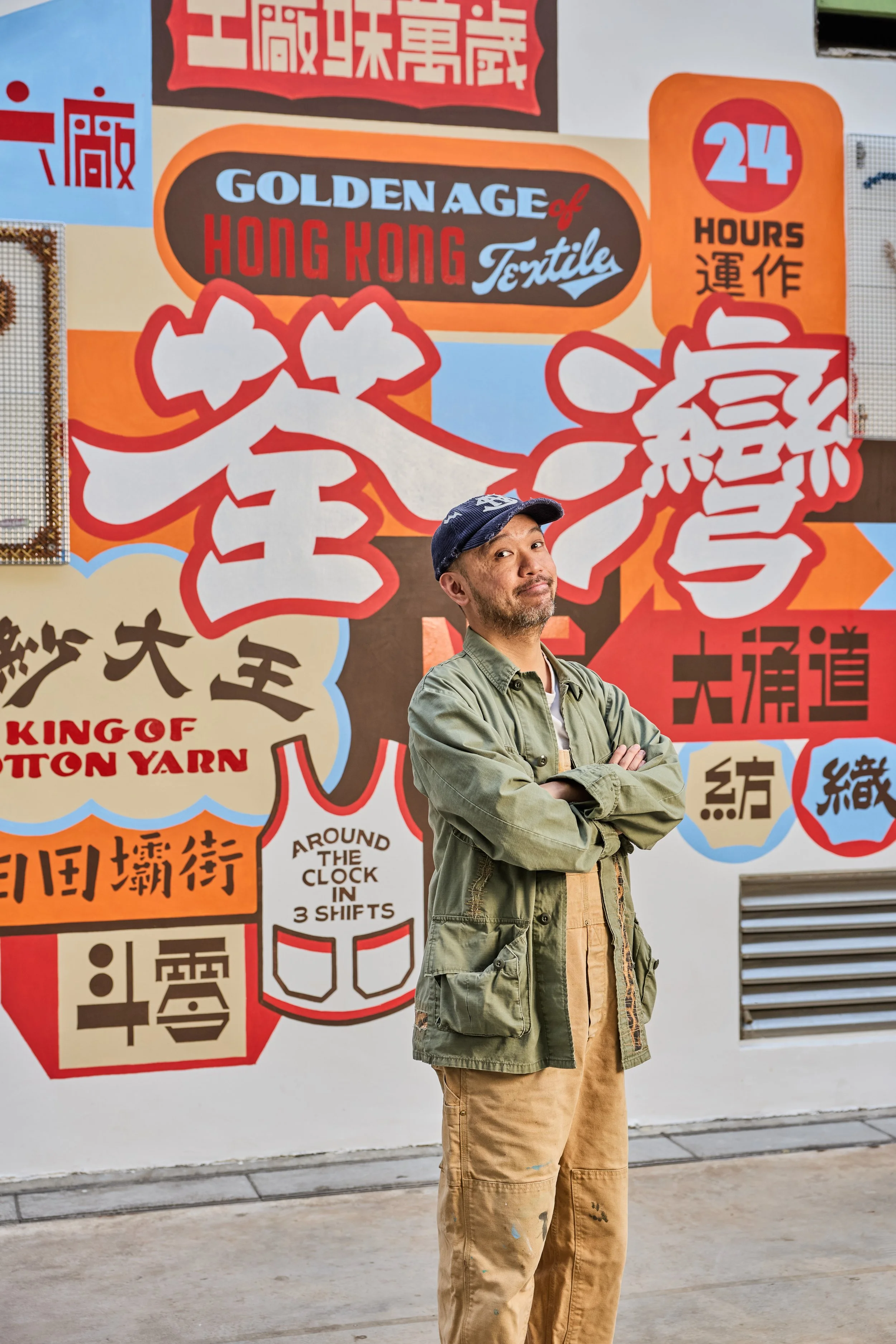
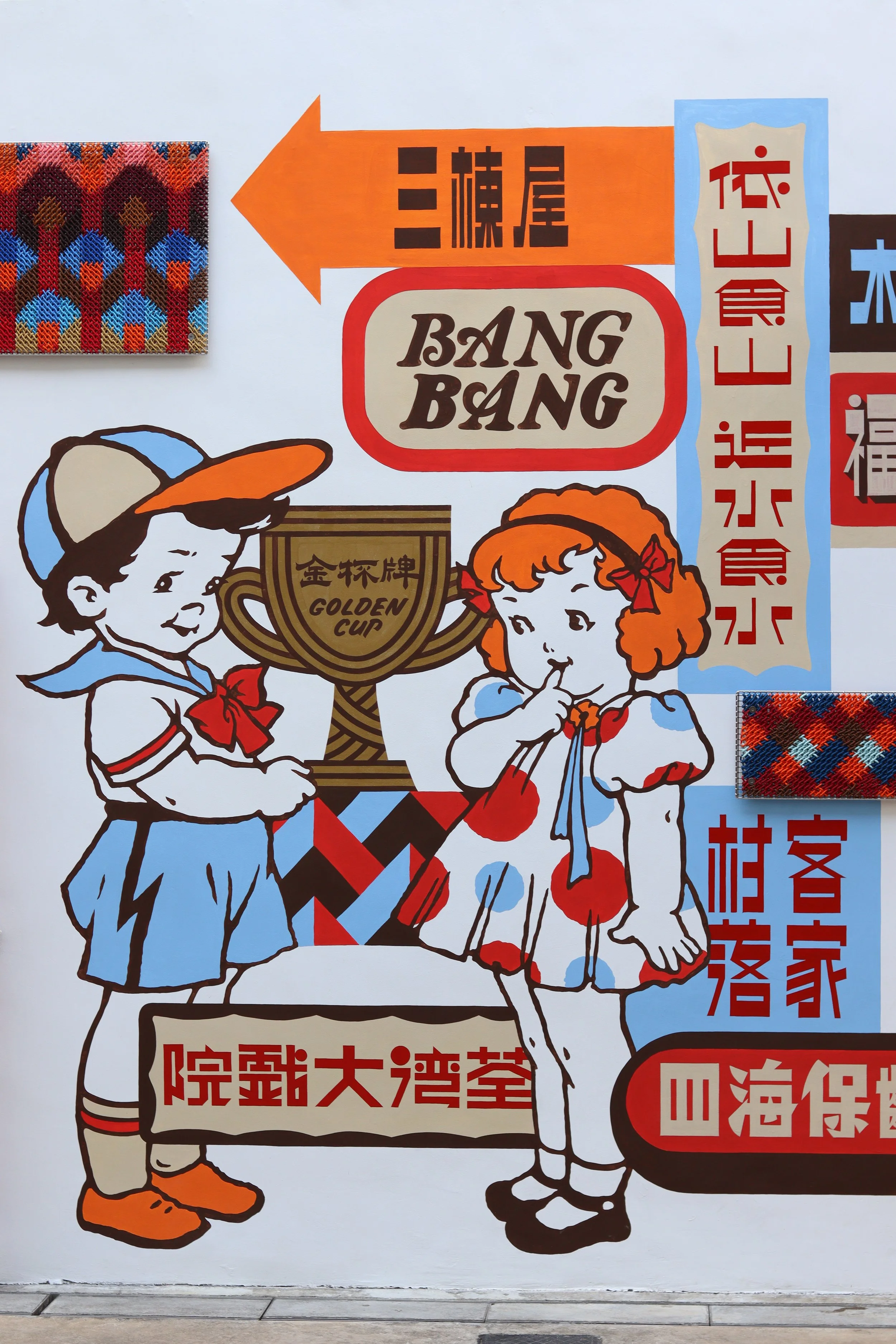
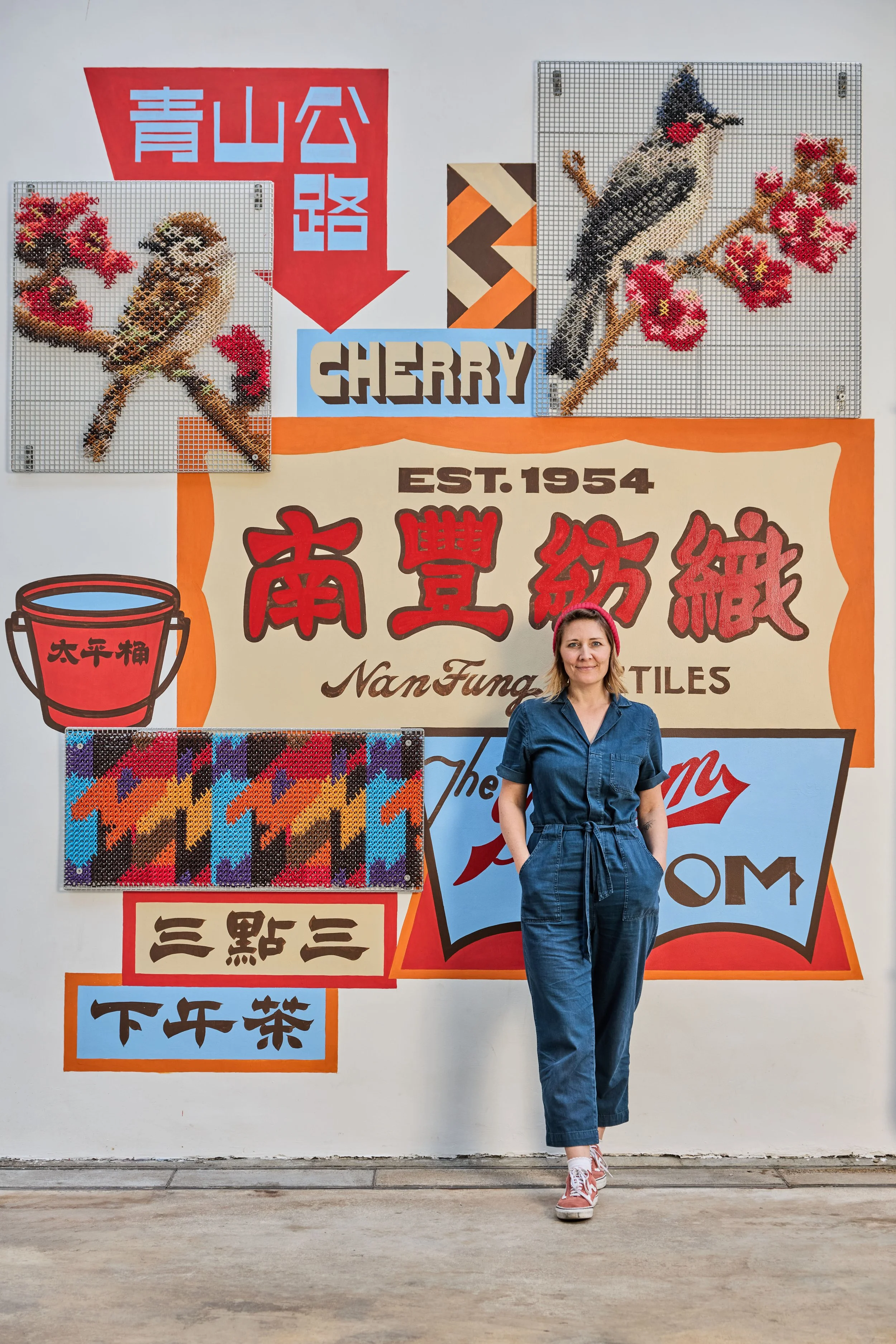
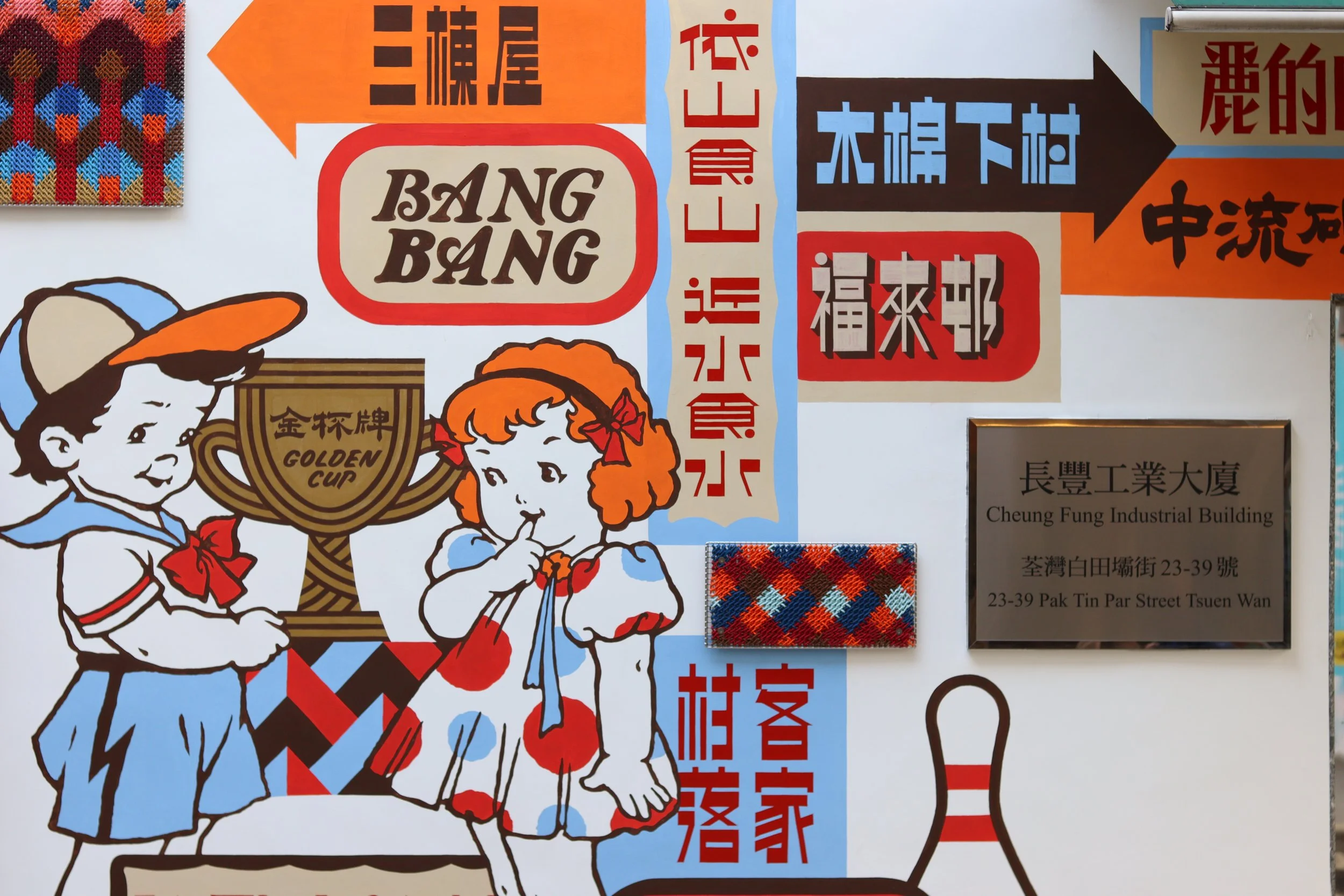
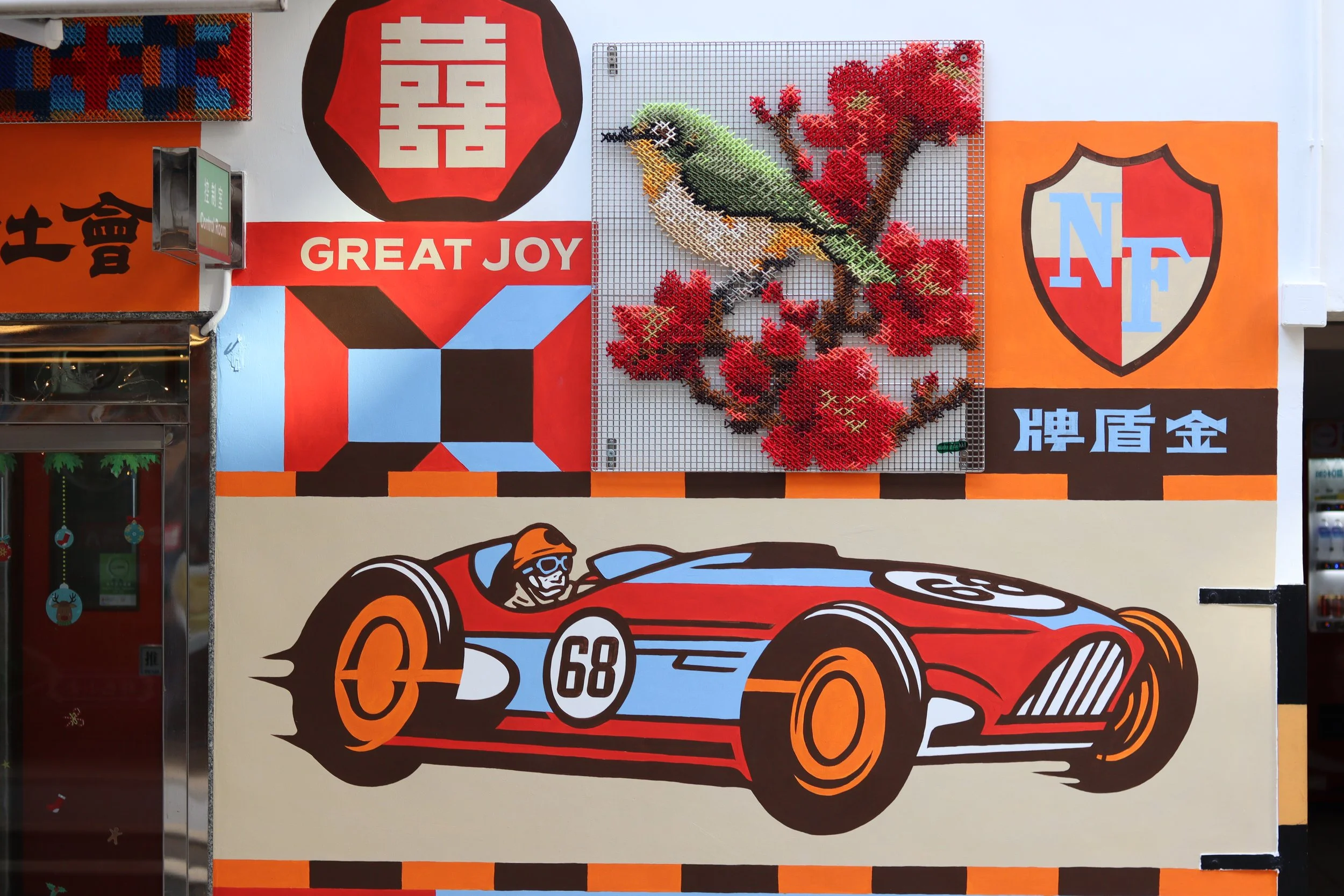
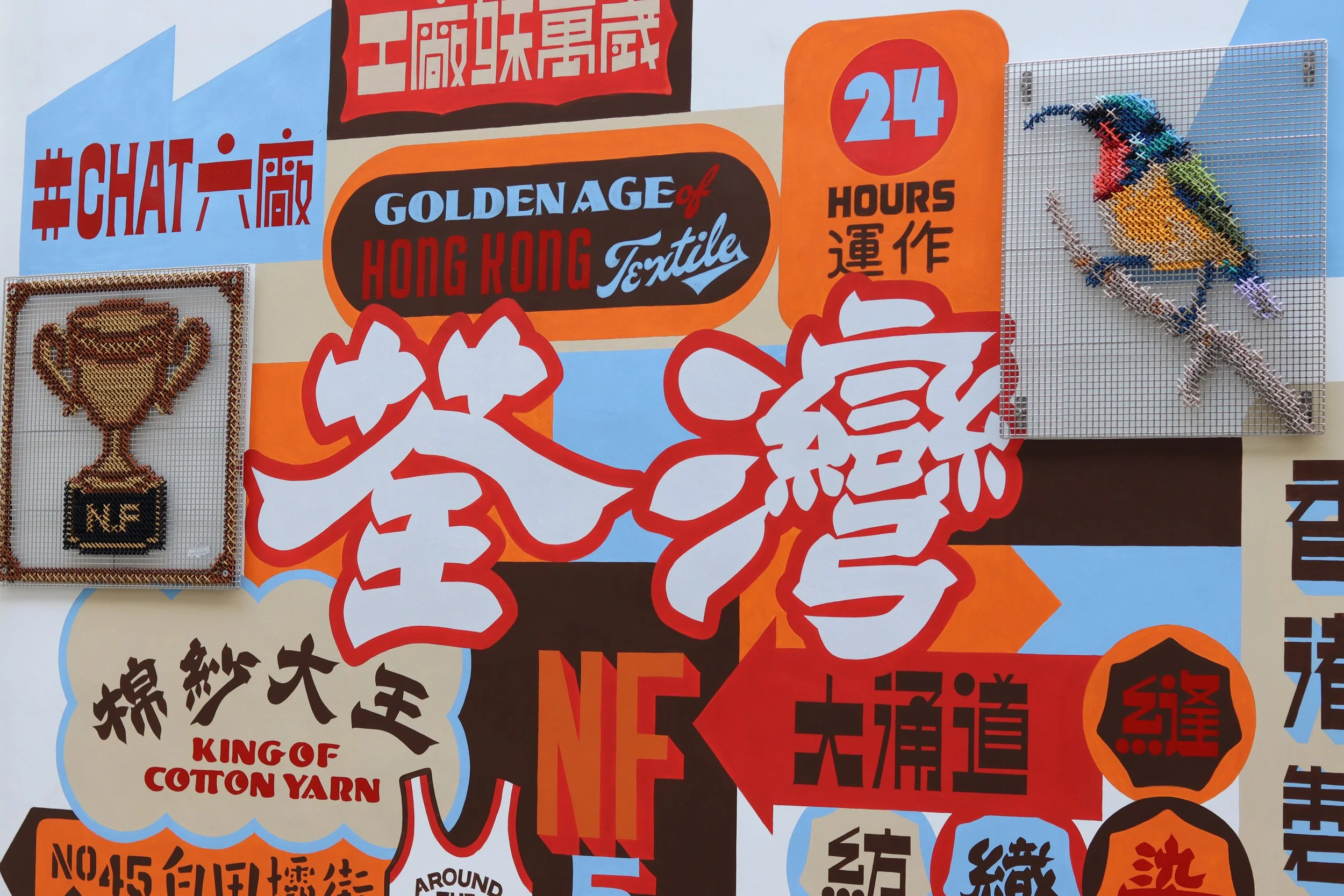
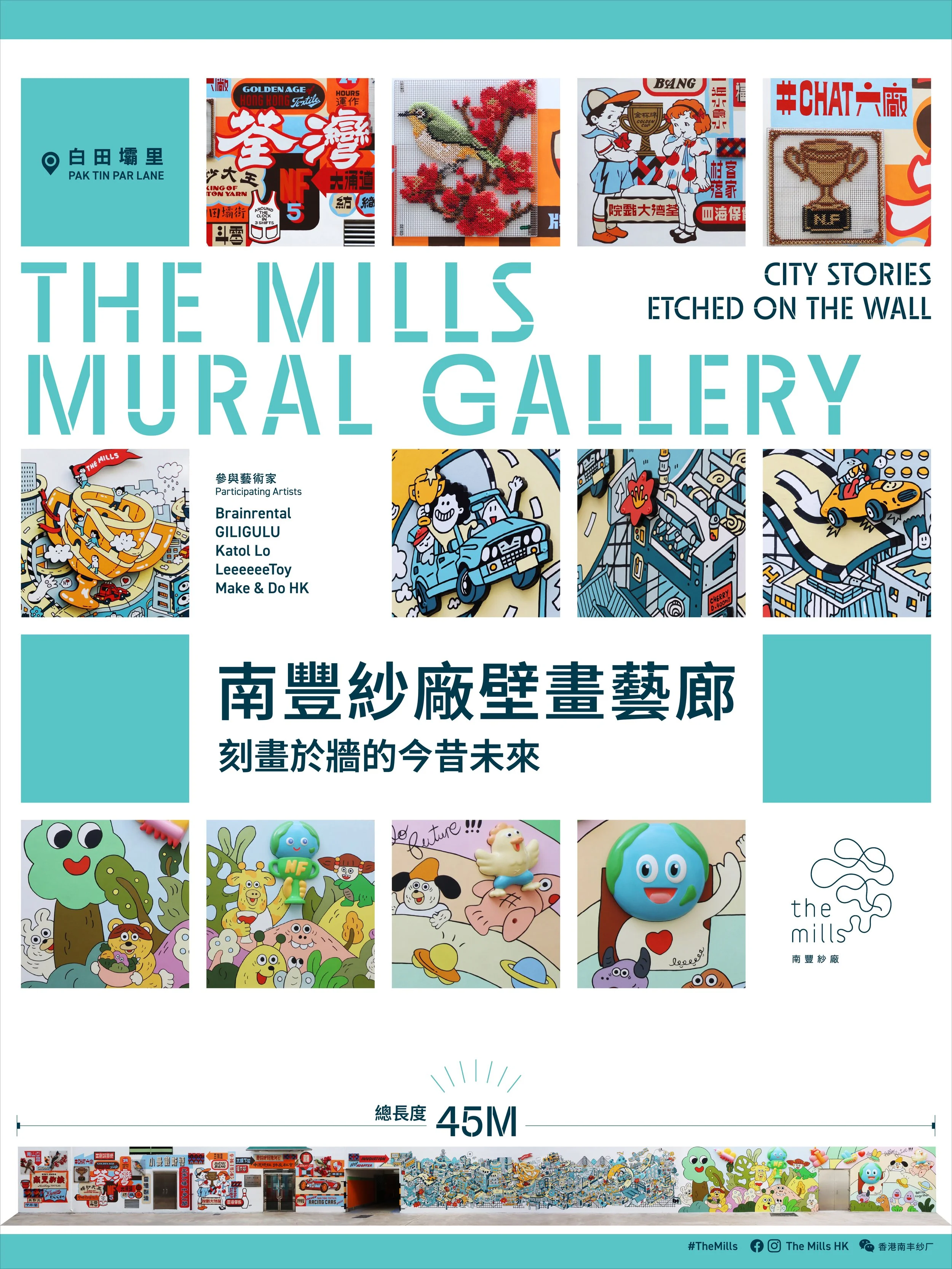
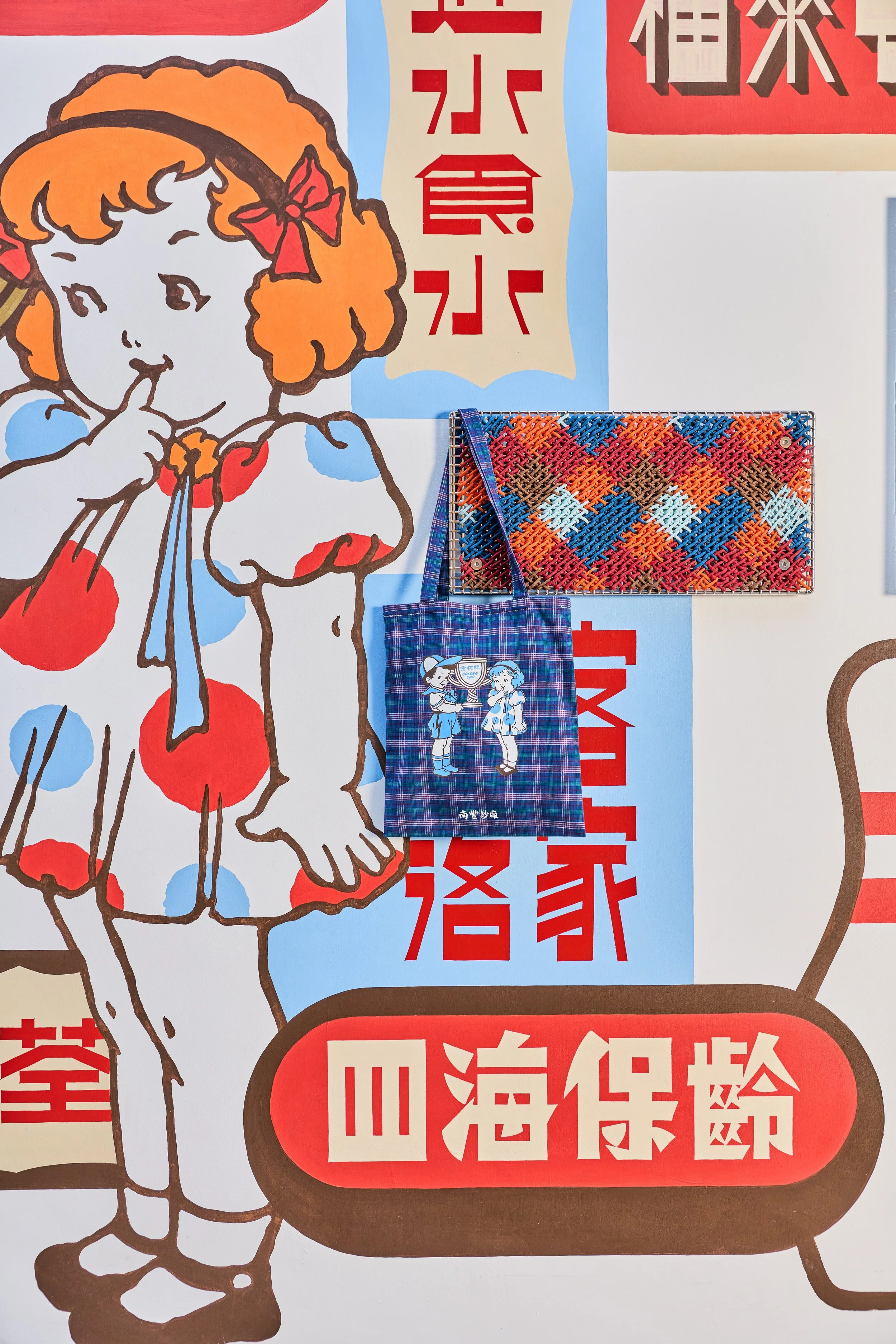
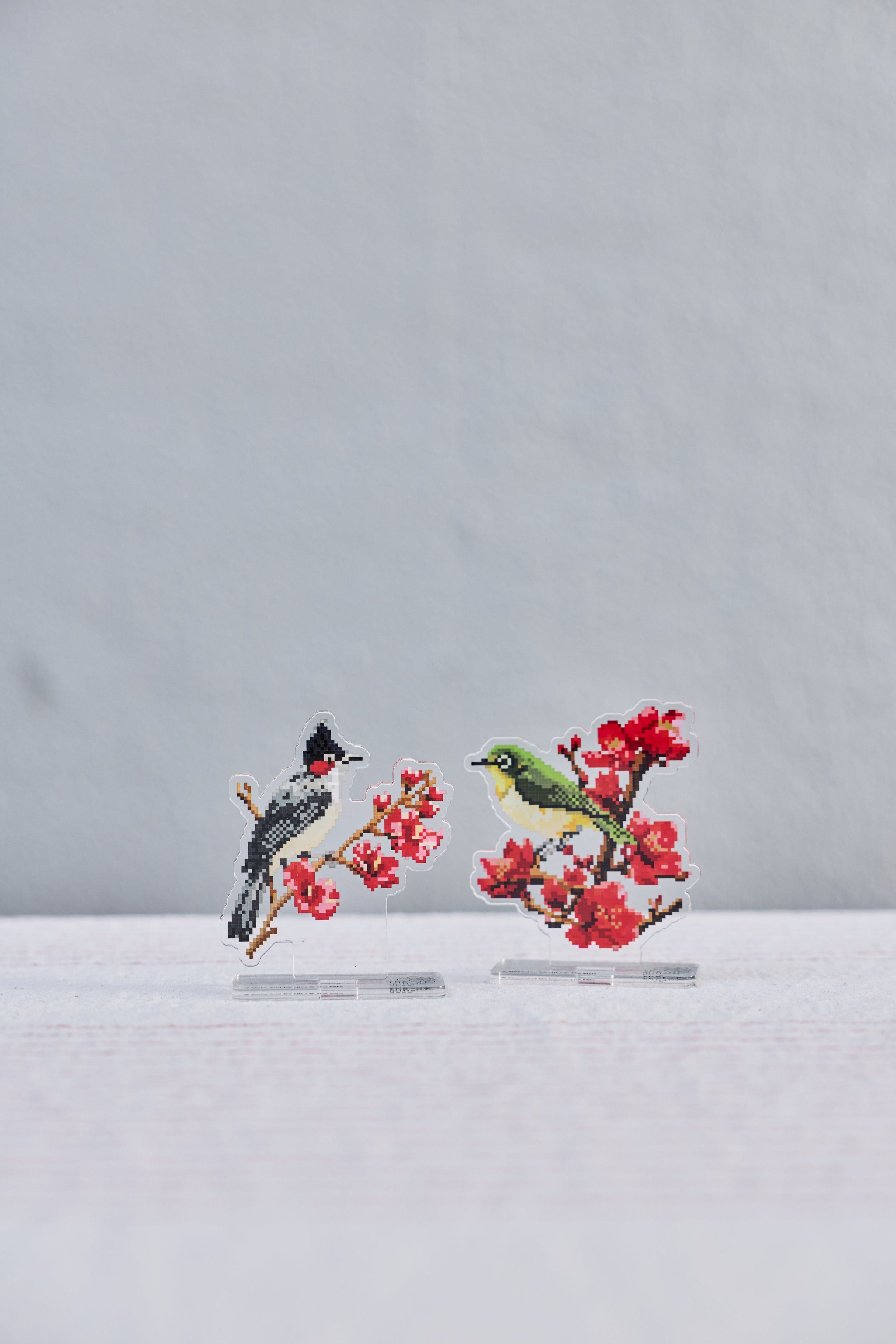
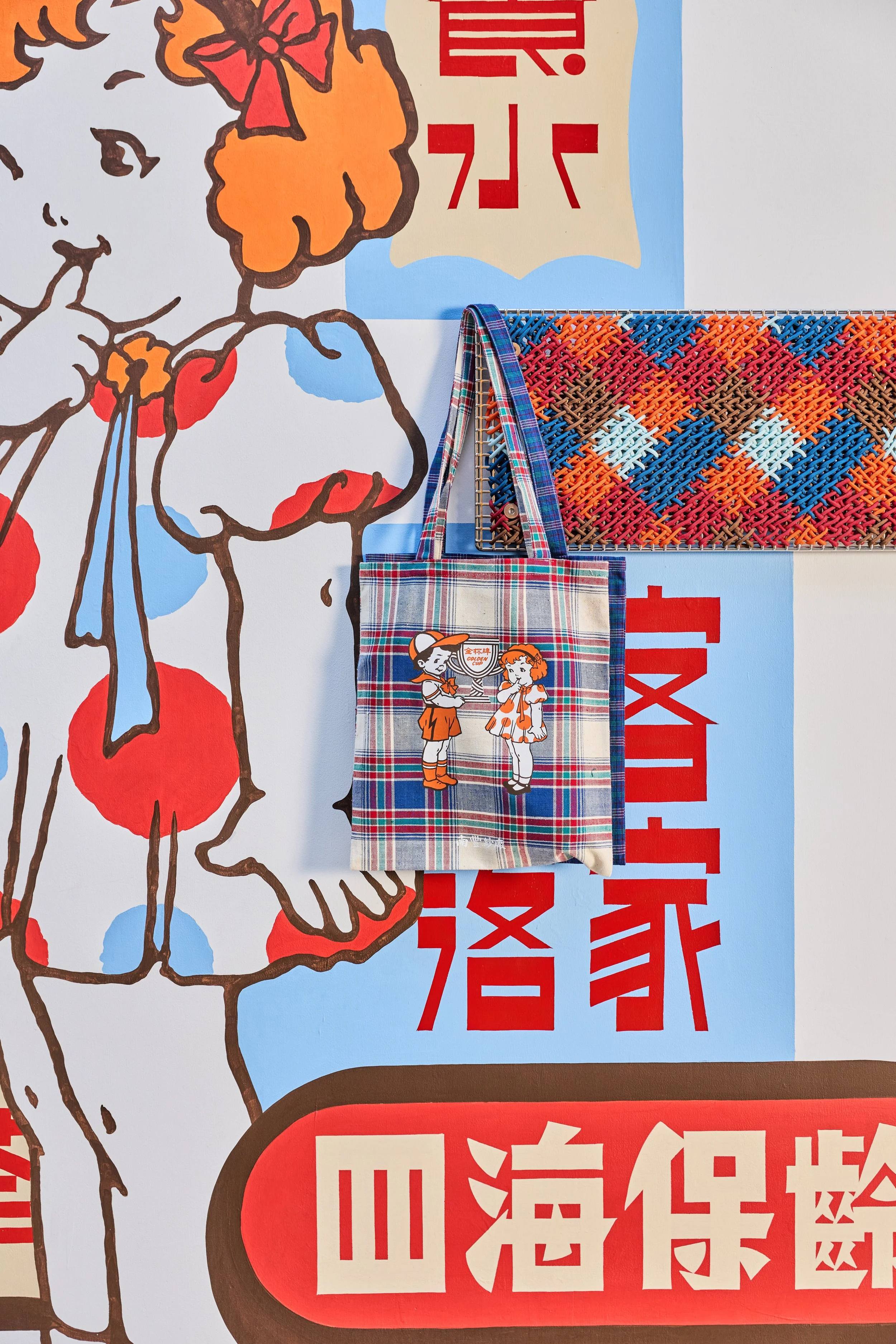
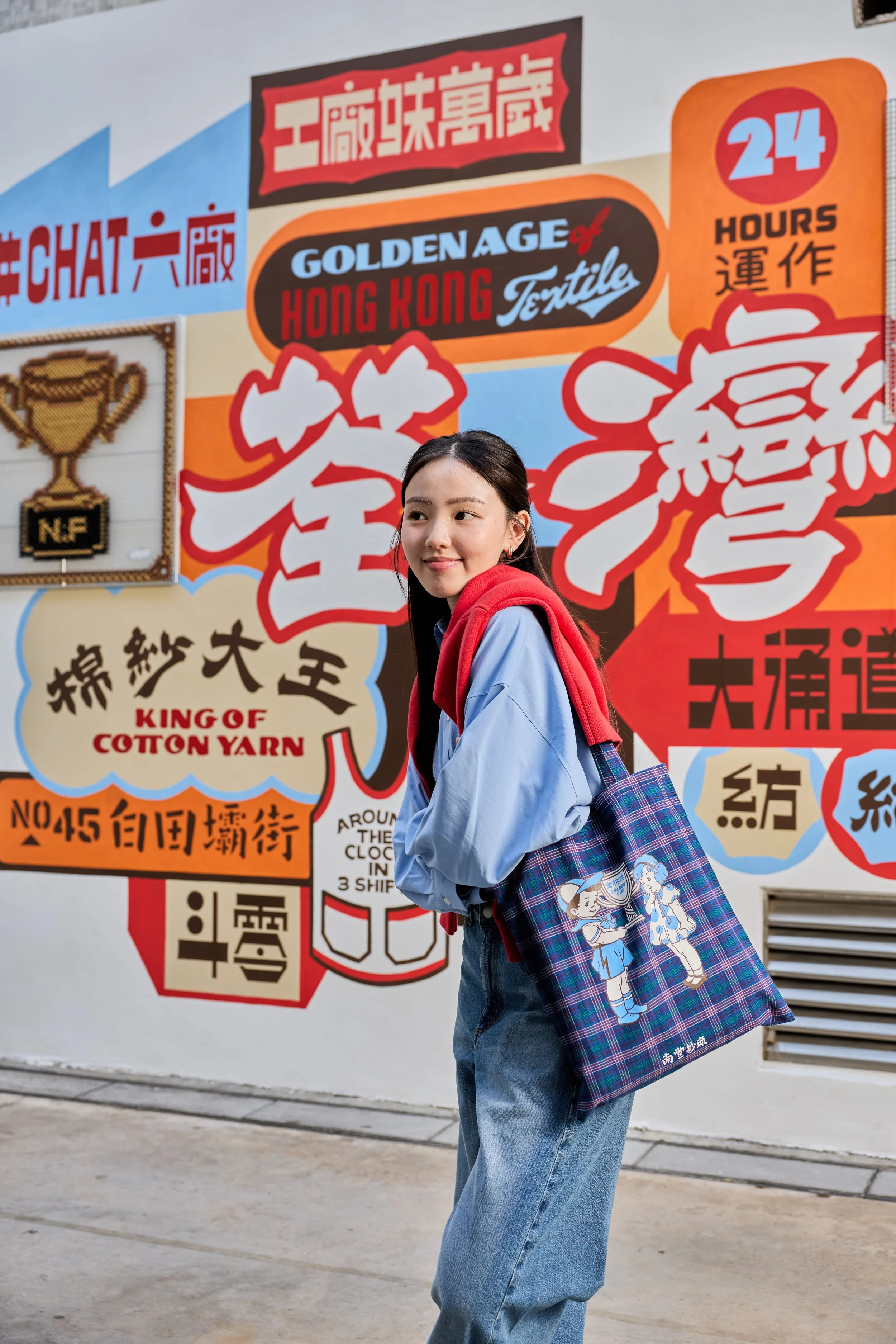
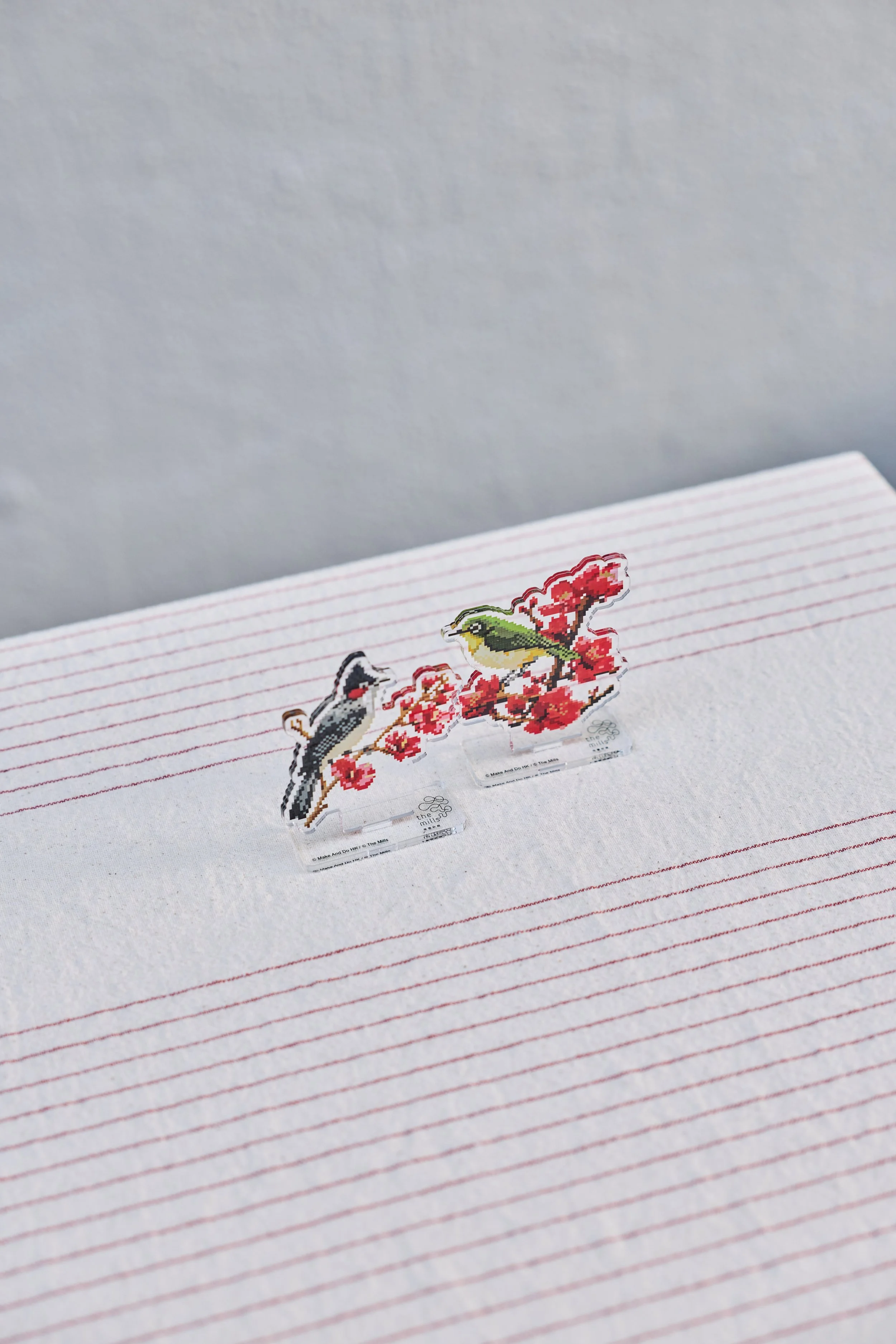
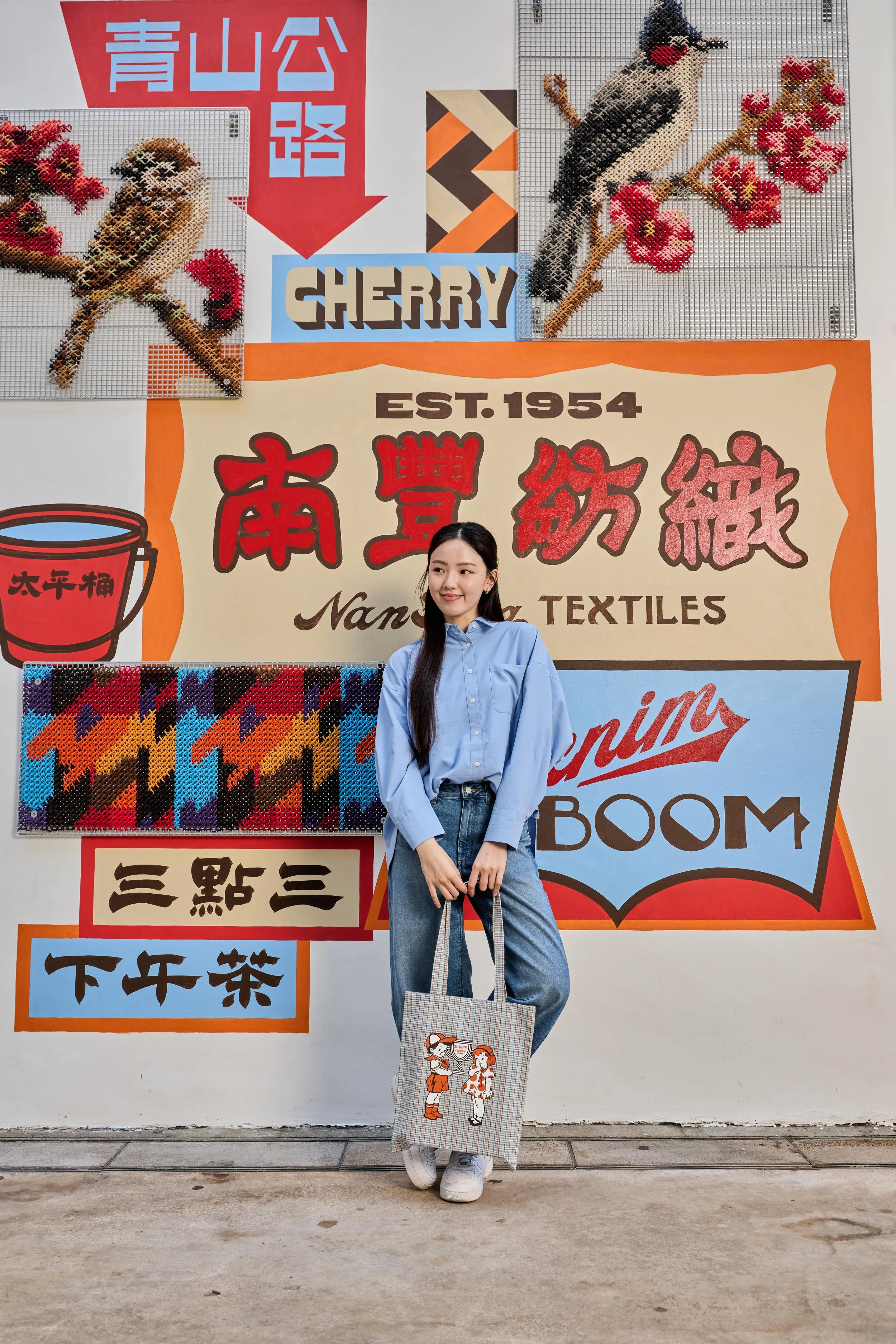
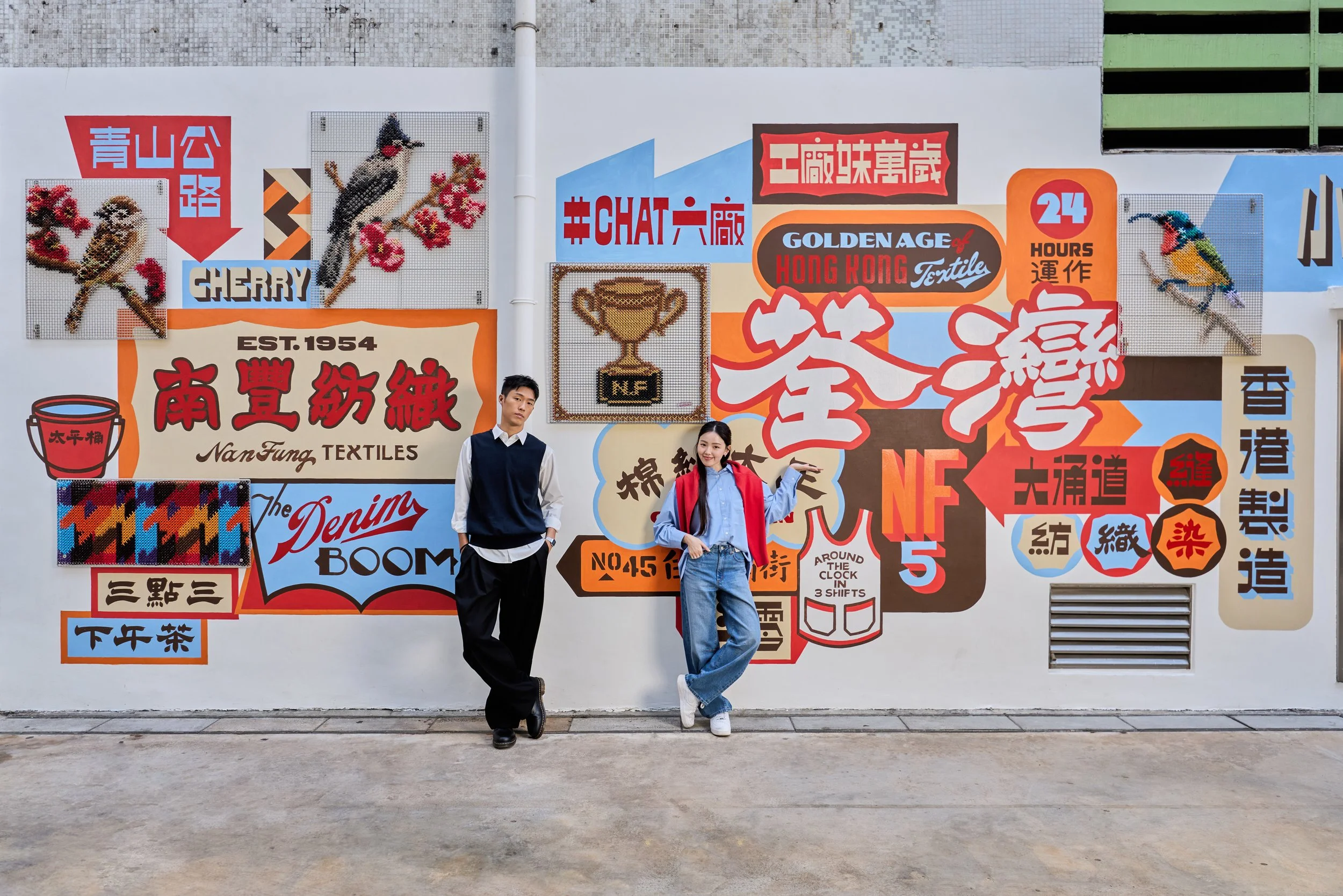
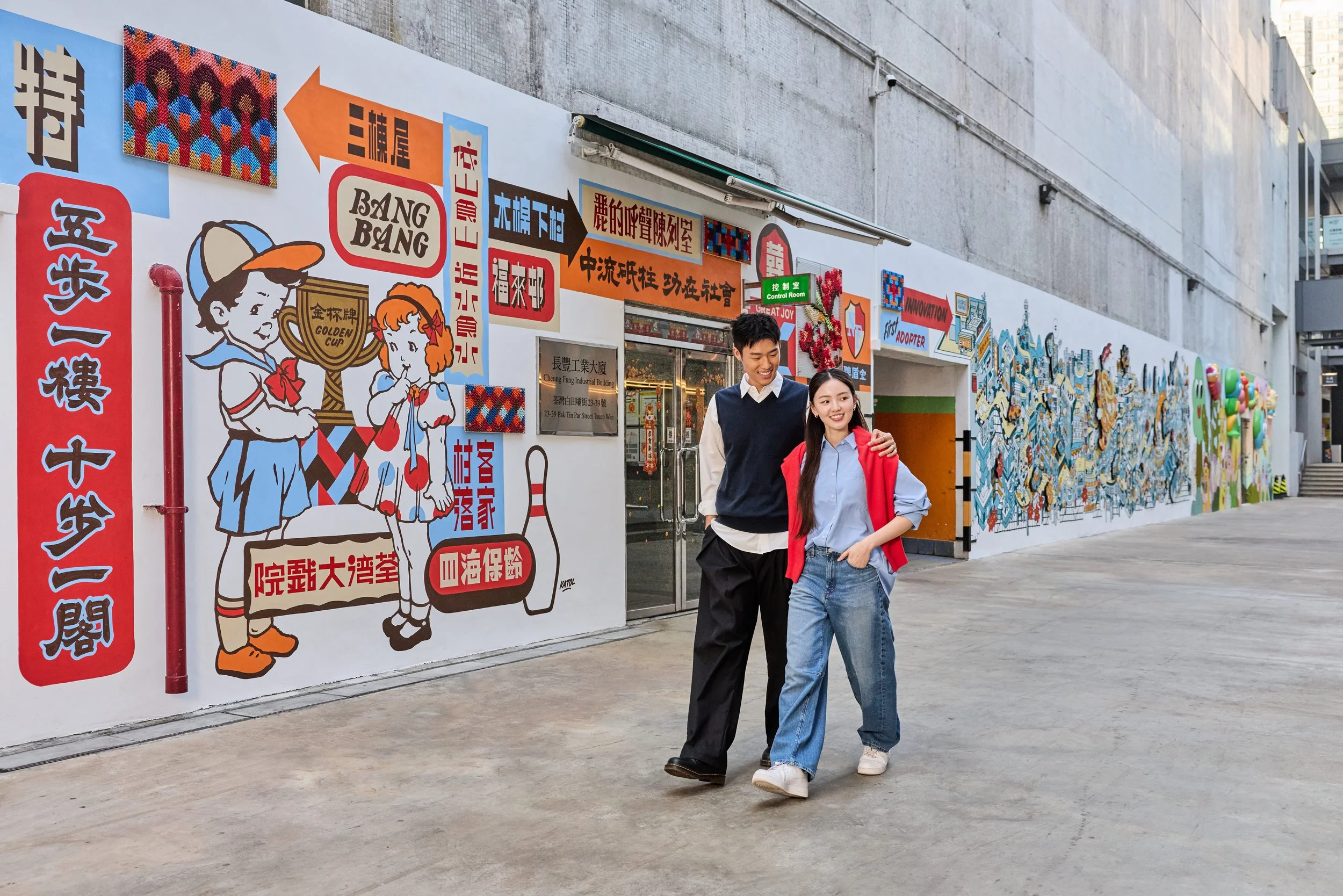
This project, developed in partnership with The Mills and HKWALLS, began in June 2025 and was installed in December 2025. It pays tribute to the rich history and heritage of the Nan Fung cotton mills, skillfully blending vintage signage crafted by sign painter @katolone with the vibrant kapok (Tree cotton or Hero) flower and the diverse birdlife of Hong Kong.
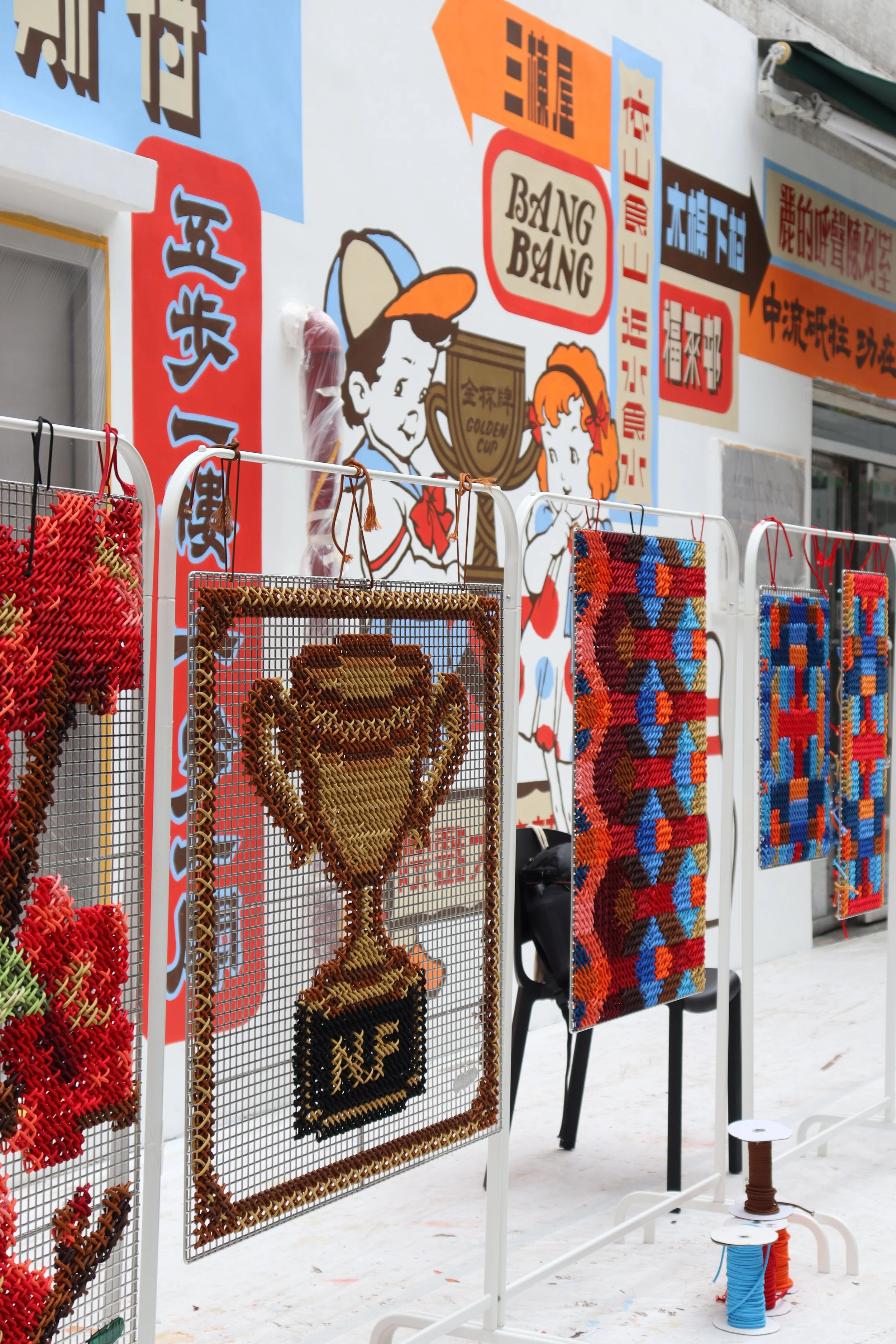
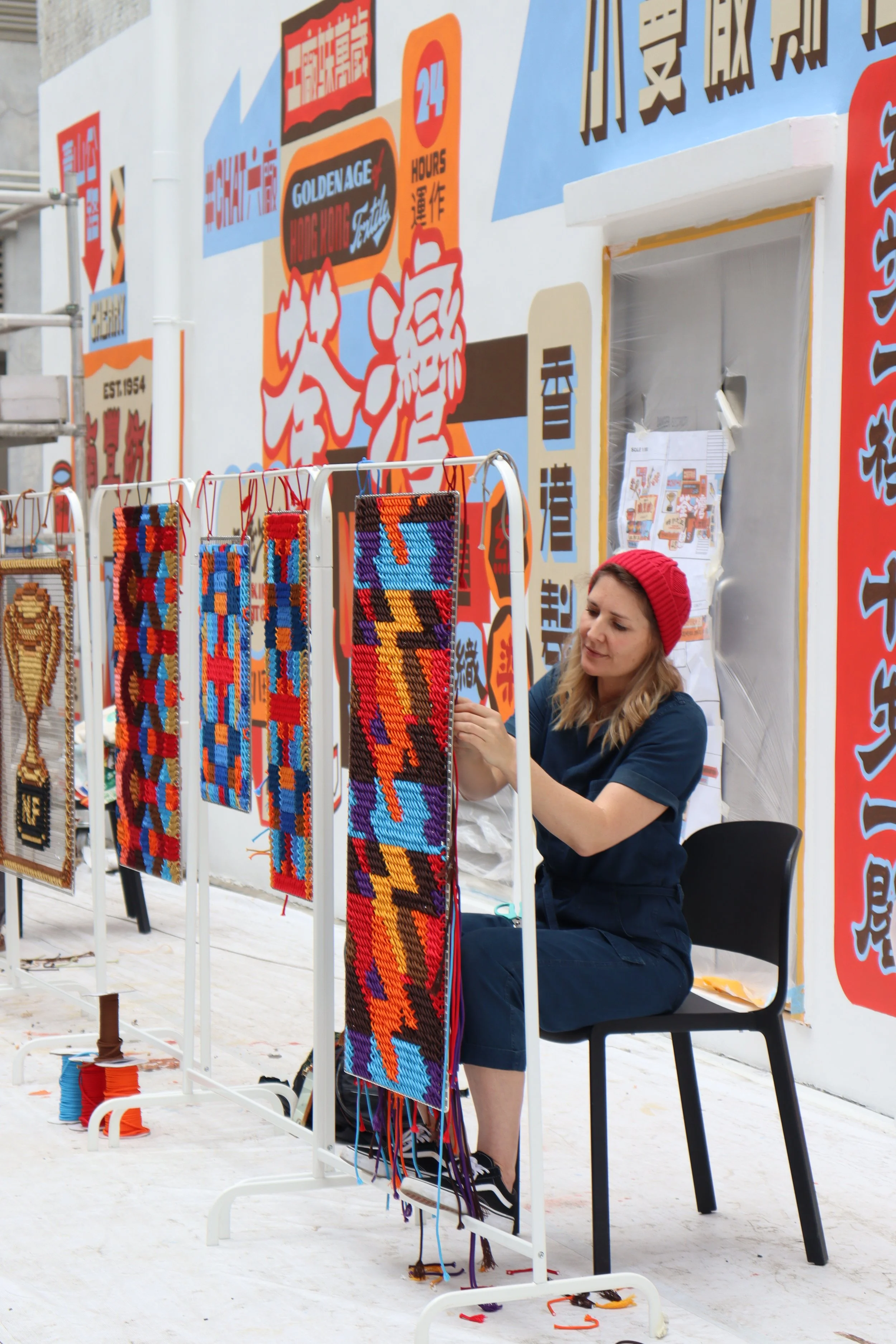
The mural features 10 large cross-stitch artworks intricately stitched onto metal grid frames, adding a tactile and unique dimension to the piece. The Mural Gallery wall is divided into three parts: Past, Present, and Future.
Historical Context
Our section of the mural highlights a crucial aspect of Hong Kong’s industrial history:
Nan Fung Cotton Mills: Established in 1954 by Chen Din-hwa, known as the "King of Cotton Yarn," the mills were once a major textile producer, with six factories operating by 1970. This establishment played a pivotal role in Hong Kong’s manufacturing boom and economic development.
Revitalisation and Heritage: Despite ceasing operations in 2008, Mills 4, 5, and 6 were revitalised and reopened in 2018 as The Mills, a landmark for innovation and a celebration of textile heritage. The site retains original features such as the NF5 metal gate, traditional sand buckets used for fire safety, and the iconic green-painted staircases.
"Cherry" the Machine: A centrepiece at the Centre for Heritage, Arts and Textile (CHAT) within The Mills, "Cherry" is a notable drawing frame machine that played a vital role in the spinning process. Donated by the last cotton-spinning mill in Hong Kong, it now serves as a historical artefact, with retired factory workers occasionally performing live demonstrations.
Community and Impact
The mural also reflects the vibrant community surrounding the Nan Fung Cotton Mills:
Labour Force: The textile industry supported the livelihoods of over 230,000 people in the 1970s, with women making up a significant portion of the workforce. Their contribution shifted cultural norms regarding female employment in Hong Kong.
Tsuen Wan: "Little Manchester": During the 1950s and 60s, Tsuen Wan became the heart of the textile industry, housing half of Hong Kong's yarn mills. The area, nicknamed "Little Manchester," transformed from a farming district into a major industrial hub, attracting a surge of refugees from Shanghai and Guangdong.
This mural not only honours the legacy of the Nan Fung cotton mills but also serves as a reminder of Hong Kong's extraordinary transformation from a manufacturing powerhouse to a modern cultural hub. Come explore the rich tapestry of history, community, and nature reflected in this artwork at The Mills!
Video courtesy ofThe Mills 南豐紗廠
All photos and video content courtesy ofThe Mills 南豐紗廠